Peak Fuel Cell Bus Deliveries in the EU Occurred in 2025
Summary
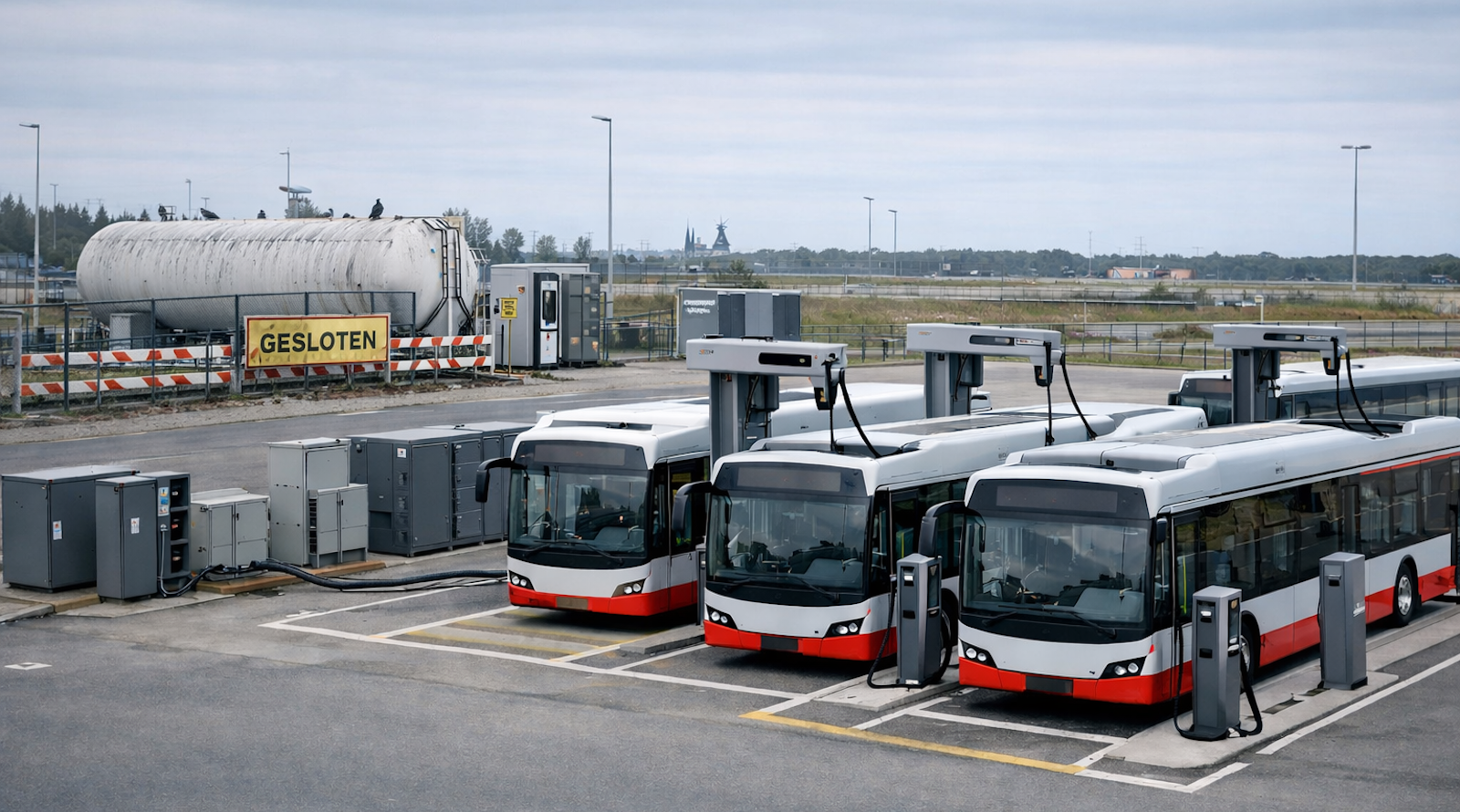
Transport & Environment's recent report highlights that battery-electric buses have surged ahead in new city bus registrations across the EU, surpassing expectations. CleanTechnica emphasizes this significant shift in the European public transport landscape.
Key Insights
What are fuel cell buses and how do they differ from battery-electric buses?
Fuel cell buses, or hydrogen buses, generate electricity onboard using hydrogen fuel cells to power electric motors, offering longer ranges (400-600 km) and faster refueling compared to battery-electric buses, which rely on large rechargeable batteries charged via electricity grids but face range limitations on long routes.[1][3]
Did fuel cell bus deliveries in the EU peak in 2025, and what were the registration numbers?
While 2025 saw strong growth with 279 fuel cell bus registrations in H1 alone (426% increase from H1 2024) and a full-year market value indicating high activity, full-year data is incomplete as of late 2025; 2024 ended with a record 378 units, suggesting 2025 may represent a peak before battery-electric buses dominate.[1][2]