A mysterious Chinese company just teased its first cheap Micro Four Thirds camera – but don’t expect it to be an OM System killer
Summary
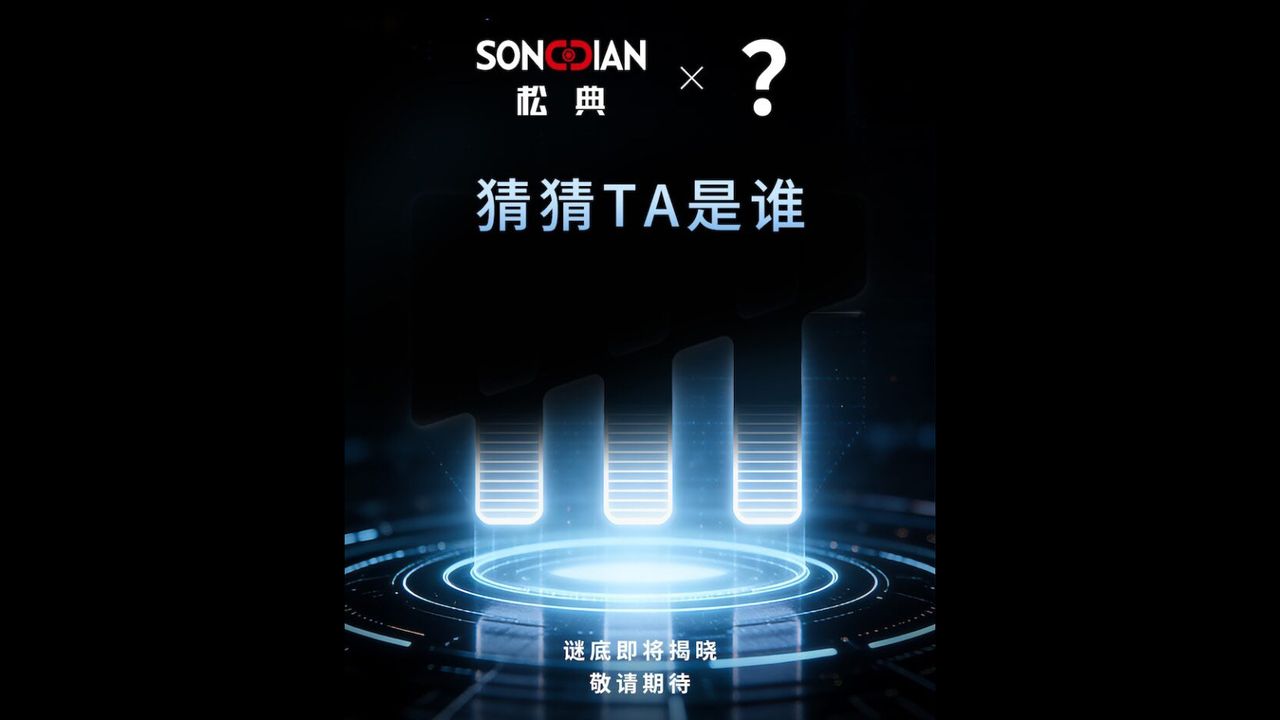
OM System has revealed that Chinese budget camera maker Sonida is joining the Micro Four Thirds System. However, the anticipated Songdian-branded camera is unlikely to compete with existing models from OM System or Lumix.
Key Insights
What is Micro Four Thirds and why is it significant that a new camera maker is joining the system?
Micro Four Thirds (MFT) is an open standard camera system created by Olympus and Panasonic that features a smaller sensor (18mm × 13.5mm) compared to full-frame cameras (36mm × 24mm)[3]. The system is significant because it's an open standard that allows third-party manufacturers to create compatible camera bodies and lenses, promoting a diverse ecosystem[3]. When new manufacturers like Sonida join the Micro Four Thirds System, it expands the available options for photographers seeking compact, lightweight cameras with interchangeable lenses[5]. The open standard means users can mix and match camera bodies and lenses from different manufacturers within the same mount[6].
What are the main advantages of Micro Four Thirds cameras that make them appealing despite their smaller sensors?
Micro Four Thirds cameras offer several compelling advantages beyond image quality. They are significantly more compact and lightweight than full-frame alternatives, making them ideal for travel and mobile photography[2][5]. MFT cameras excel in computational photography features—such as Olympus's ProCapture mode, handheld high-resolution multi-shot modes, and in-camera focus stacking—that help close the capability gap with larger-sensor cameras[4]. Additionally, many MFT cameras feature exceptional in-body image stabilization that works with optical image stabilization in lenses, professional-grade video capabilities (including 4K at 60fps and even 6K recording on some models), and advanced features like shutter angle control typically found only on professional cinema cameras[2]. The system also benefits from a diverse lens lineup from multiple manufacturers[5].