Here's who actually makes your favorite power tool brand
Summary
The power tool market is dominated by three companies that manufacture most cordless tools, despite passionate brand loyalty among users. The article explores how color preferences influence perceptions of performance and value in this competitive industry.
Key Insights
Why do most power tool brands appear different if they're owned by the same parent companies?
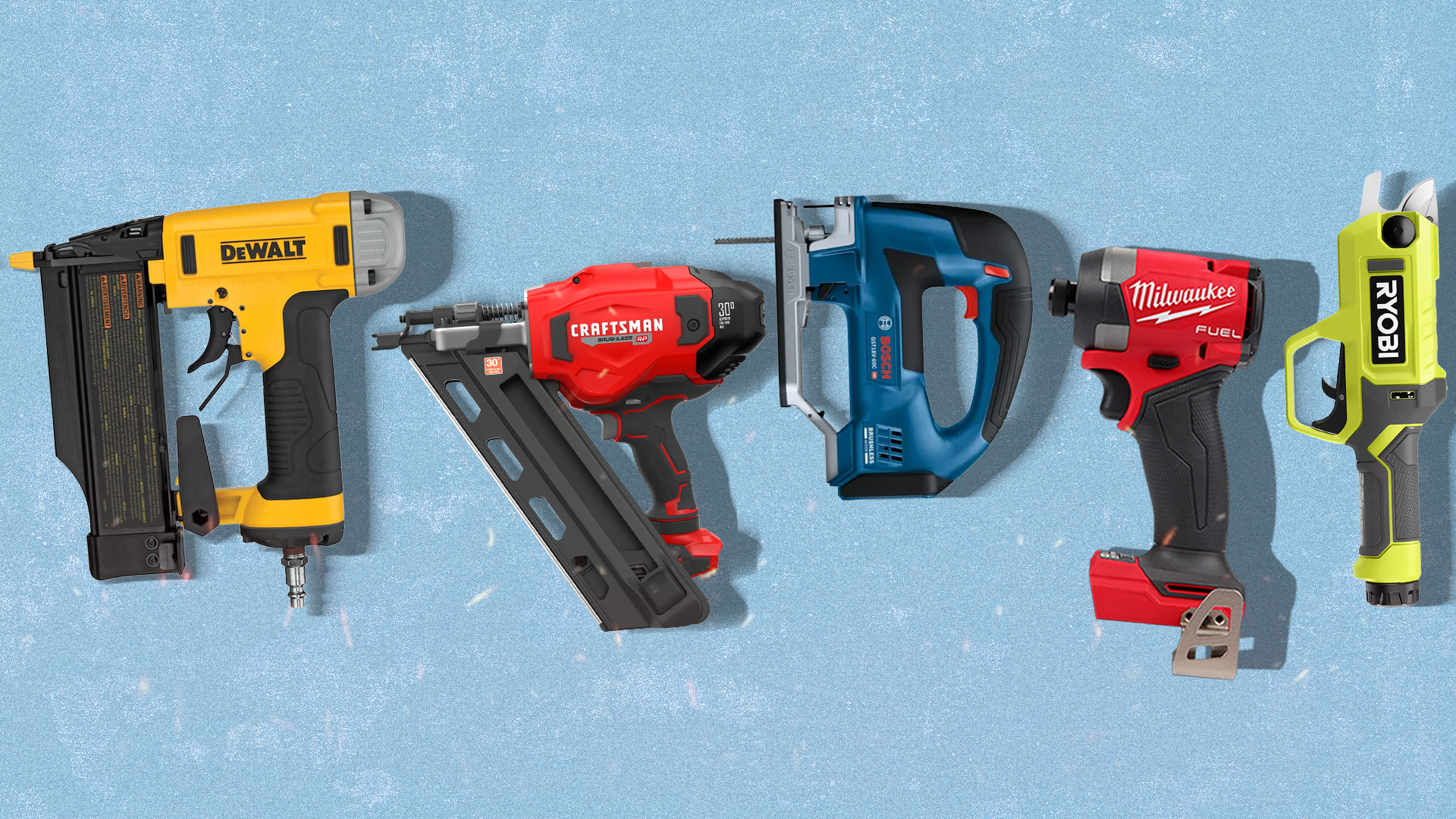
While a handful of parent companies own the majority of power tool brands, they maintain distinct brand identities through separate design and development teams. For example, although Stanley Black & Decker owns both DEWALT and Craftsman, these brands operate independently with their own product lines, marketing strategies, and target markets—DEWALT focuses on professional users while Craftsman targets homeowners. Similarly, TTI owns Milwaukee, Ryobi, and Hart, but each brand maintains its own positioning and customer base. This strategy allows parent companies to serve different market segments and price points while leveraging shared manufacturing and distribution infrastructure.
How consolidated is the power tool manufacturing industry?
The power tool industry is highly consolidated, with just a handful of parent companies controlling most major brands. The largest players include TTI (which owns Milwaukee, Ryobi, Hart, and licenses RIDGID), Stanley Black & Decker (DEWALT, Craftsman, Black+Decker), Robert Bosch GmbH (Dremel, Freud, Diablo), Chervon (Skil, EGO, Flex), and Emerson (which controls more than 50 brands). This consolidation means that despite passionate brand loyalty among consumers, most power tool purchases ultimately benefit one of these few corporate giants, regardless of which brand name appears on the tool.