A Failed SwitchBot Plug Mini and Cooking Electrolytics
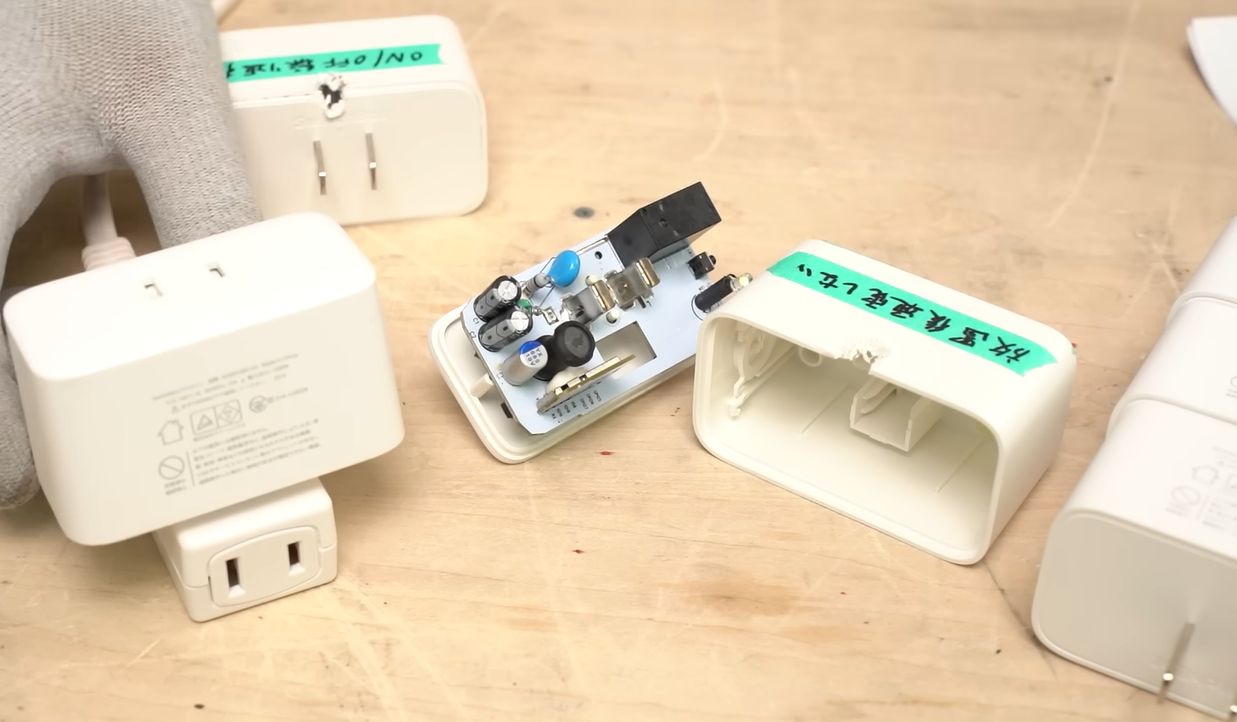
Summary
The SwitchBot Plug Mini faces significant reliability issues due to poorly designed PCBs that overheat electrolytic capacitors, leading to early failures. Denki Otaku's investigation reveals that replacing these capacitors can restore functionality, but redesign is essential for long-term durability.
Key Insights
What is an electrolytic capacitor and why does it fail in the SwitchBot Plug Mini?
An electrolytic capacitor is a type of capacitor that uses an electrolyte to achieve high capacitance, commonly used in power supplies to filter voltage ripples. In the SwitchBot Plug Mini, it fails prematurely due to overheating from high ripple current, poor PCB design, and high ambient temperatures around 50°C near the voltage regulator and WiFi module, causing the electrolyte to evaporate (dry-up), capacitance loss, and bulging.[3][1][2]
Sources:
[1]
Can replacing the failed capacitor fix the SwitchBot Plug Mini, and what causes the WiFi issues?
Yes, replacing the failed 680 µF electrolytic capacitor restores functionality, as it serves as a buffer for the 3.3V rail; when it loses capacitance, voltage sags during WiFi operations, causing the microcontroller to reset and the plug to go offline or malfunction. The root cause is excessive stress from ripple current and heat, not just a low-quality part.[3][1][2][4]